
Cacao vs. Cocoa: What’s the Difference?
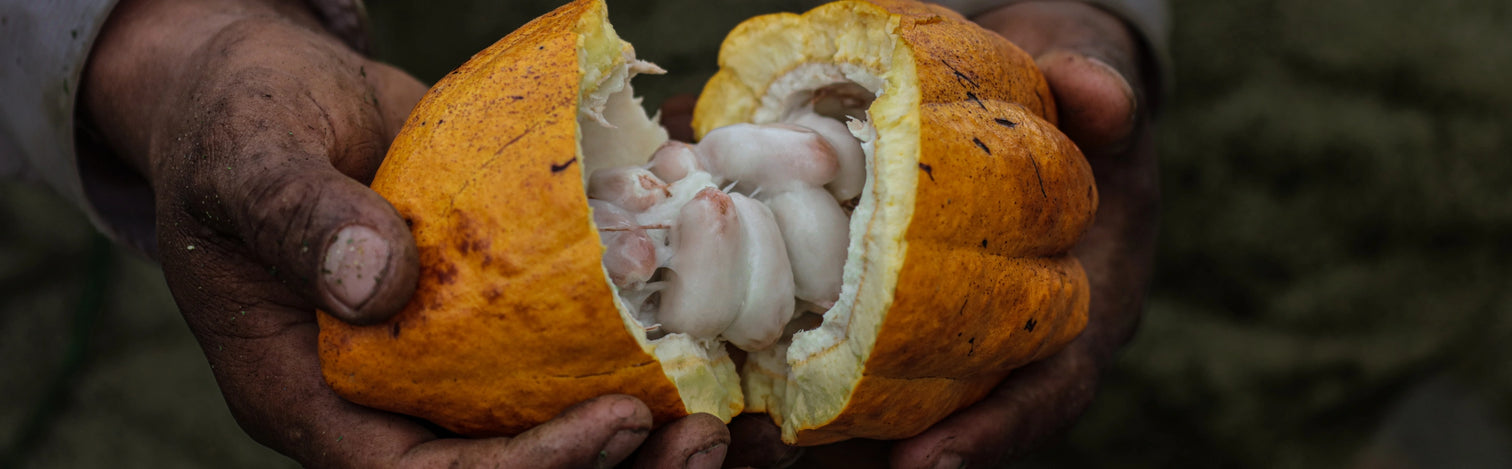
The terms cacao and cocoa are often used interchangeably, yet they describe two distinct forms of the cacao bean. Although both come from the same plant, their processing methods, nutritional profiles, and flavor characteristics differ significantly.
At Lök Austria, we believe understanding this difference is key to appreciating chocolate in its purest, most elevated form.
What Is Cacao?
Cacao refers to the beans and their minimally processed derivatives. It generally includes:
- Raw cacao beans
- Fermented and dried beans
- Cacao nibs
- Cacao mass
- Cacao powder
Cacao undergoes limited heat treatment, preserving its natural antioxidants, minerals, and subtle flavor notes. This is the form used to create premium fine-flavor chocolate, such as Lök Austria’s single-origin Colombian bars.
How Cacao Is Produced
- 1. Pods are harvested by hand.
- 2.Beans are extracted and fermented to develop flavor.
- 3. Beans are dried naturally.
4. Minimal processing transforms them into nibs, mass, or powder.
Because cacao remains closer to its natural state, it retains more nutrients and a wider range of flavor characteristics.
What Is Cocoa?
Cocoa is produced by roasting cacao beans at higher temperatures and further processing them. It is typically found as:
- - Cocoa powder
- - Dutched cocoa powder
- - Mass-market chocolate
This process reduces bitterness and enhances shelf stability but can also diminish nutritional value.
How Cocoa Is Produced
- 1. Beans are roasted at high temperatures.
- 2. Nibs are ground into cocoa mass.
- 3. Cocoa butter is removed.
- 4. Remaining solids are processed into cocoa powder or commercial chocolate ingredients.
- 5. Cocoa is widely used in everyday chocolate products because of its mild taste and low production cost.
Why Cacao Is Considered Superior
Rich in Antioxidants
Minimal processing helps cacao retain powerful compounds such as flavonoids and polyphenols. These antioxidants support cellular protection, longevity, and overall wellness.
Distinct Flavor Identity
Fine-flavor cacao — less than 8% of the world’s production — expresses nuanced tasting notes that reflect its growing region. Flavor profiles may include fruity, floral, nutty, or caramel notes. By contrast, cocoa’s higher-heat processing flattens complexity and tends to create a consistent, standard chocolate taste.
Greater Nutritional Value
Cacao provides more:
- - Magnesium
- - Iron
- - Antioxidants
- - Natural fiber
Compared to cocoa, it offers stronger nutritional support for heart health, cognition, and overall vitality.
Why Lök Austria Uses Cacao — Not Cocoa
At Lök Austria, we work exclusively with pure fine-flavor Colombian cacao, sourced directly from dedicated farming communities. Our chocolate preserves:
- - True taste of origin
- - Natural nutrient density
- - Authentic craftsmanship
We produce chocolate only with:
- - Cacao mass
- - Cocoa butter
- - Cane sugar
Nothing more. No additives, flavorings, or unnecessary fats.
This ensures the highest integrity, clarity, and purity in every bar.
Sustainability & Social Impact
Fine-flavor cacao farming provides real benefits to agricultural communities in Colombia:
- - Improved income stability
- - Alternative to illicit crop production
- - Environmental protection
- - Regenerative land management
- Supporting premium cacao helps protect ecosystems while uplifting farming families.
How to Enjoy Cacao
For those accustomed to commercial chocolate, cacao offers a more authentic, flavorful experience. Its complexity shines when enjoyed:
- - As pure chocolate
- - In hot beverages
- - With fruit or nuts
- - As an ingredient in premium baking
- A small amount delivers a deep, satisfying flavor profile not achievable with standard cocoa.
Understanding Raw Cacao vs. Cocoa Powder
A simple way to differentiate:
- - Cacao → minimally processed beans and their contents
- - Cocoa → powder produced after roasting and fat removal
Because terminology is sometimes used inconsistently, always read ingredient labels. Products made from cacao are typically more transparent in sourcing and processing.
Conclusion
Although cacao and cocoa share the same origin, they diverge widely in processing, taste, and nutritional value.
Cacao offers superior flavor purity, nutrient density, and ethical sourcing — especially when produced from fine-flavor varieties.
Cocoa is more processed, milder in flavor, and primarily used for mass-market chocolate.
By choosing cacao-based products, you support better farming practices, higher quality, and a more authentic chocolate experience. Explore our premium Colombian fine-flavor cacao collection at Lök Austria and discover the difference for yourself.